A Strategic Guide to Selecting Your Ideal Self‑Storage in Dubai
Dubai’s skyline keeps rising—but not everyone's living space does. Whether you're a homeowner, expat, retailer, or creative professional, running out of space is a frequent challenge. This comprehensive guide helps you navigate the self‑storage landscape Storage in Dubai, enabling informed choices and avoiding common pitfalls.
Types of Storage Spaces in Dubai & When to Use Them
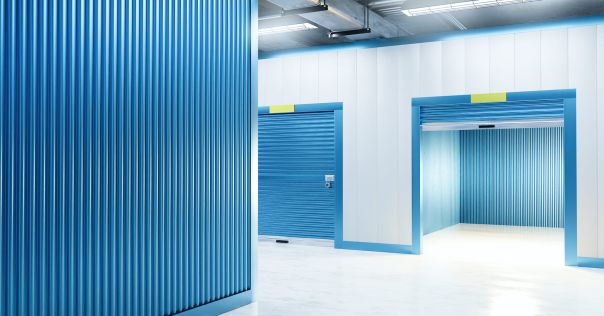
- Standard indoor units: Enclosed spaces appropriate for household items, boxes, luggage, and non-sensitive furniture. Well-suited for general household storage.
- Temperature‑controlled units: Maintain stable temperature and humidity—key for storing artwork, antiques, business documents, wooden furniture, instruments, electronics, and wines.
- Direct-drive units: Allow you to park your vehicle right up to the door—ideal for furniture drops or large, heavy loads.
- Container-style outdoor units: Less expensive but less protected against weather. Preferable for tools, automotive parts, or building materials that can withstand occasional fluctuations.
- Commercial-grade suites: Designed for SMEs needing dedicated shelving, inventory handling, package reception, and occasional forklift access.
Understanding your storage purpose ensures you don’t overpay—for instance, why rent a climate-controlled unit for plastic chairs?
Core Decision Factors Beyond Price
- Convenience of location: A few extra minutes travel time each week adds up—pick a facility near your home, office, or major transport hub.
- Security protocols: Multi-tiered surveillance, biometric entry, individual access codes, and 24/7 personnel presence are essential for peace of mind.
- Ease of access: Some facilities open 24/7, others have limited hours. Need late-night or weekend entry? Check access policy diligently.
- Size vs usage: Estimate volume using provider tools then slightly oversize—it's better than cramming or yet underutilizing.
- Transparency in pricing: Avoid surprise admin fees. Look for facilities that include insurance, pest control, or utilities in one fixed cost.
Case Scenarios & Suggested Solutions
- Relocation mid-move: A standard 75 sq ft unit is enough for major furniture and boxes. Avoid climate-control unless storing delicate items.
- Personal archive or collectible storage: Use a 50–75 sq ft temperature-controlled unit; invest in dust covers and archival boxes.
- Home improvement projects: Use a standard 100–150 sq ft drive-up unit to shuttle furniture in and out during renovation phases.
On-site Inspection Checklist
Before finalizing your decision, visit facilities and inspect:
- Cleanliness: Is the premises well-maintained? No leaks or debris?
- Temperature & humidity controls: Is water damage or mildew visibly treated?
- Staff professionalism: Can they guide you through processes or emergencies?
- Convenience extras: On-site boxes, truck rental partnerships, trolley carts.
- Insurance coverage terms: What defaults are covered? Is third-party loss included?
Choosing self-storage shouldn’t be a toss-up between cost and convenience. By aligning your storage type with your use-case, inspecting operations on-site, and reviewing contract clarity, you ensure your space delivers value. In a city like Dubai, where every square foot counts, that’s crucial for long-term savings and ease.
Новостной сайт E-News.su | E-News.pro. Используя материалы, размещайте обратную ссылку.
Оказать финансовую помощь сайту E-News.su | E-News.pro
Если заметили ошибку, выделите фрагмент текста и нажмите Ctrl+Enter (не выделяйте 1 знак)